
What It Is, How It Works, and Why It Matters in the Online World
Introduction
Have you ever wondered how websites get their names — like YouTube.com or Minecraft.net? Every website needs something called a domain name — that’s the web address you type in to visit it.
But did you know that some people buy these domain names even if they don’t have a website yet? Sometimes, they don’t do anything with them for a while. That’s where domain parking comes in.
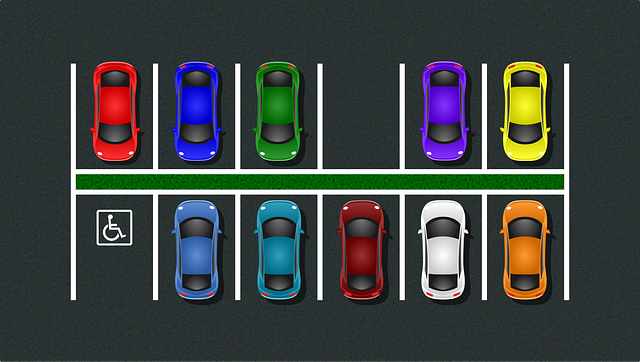
Domain parking is like saving a parking spot for your future website. Just like a person might buy land and leave it empty until they decide what to build, people can buy a domain name and “park” it until they’re ready to use it.
In this article, we’ll break down what domain parking means, how it works, why people do it, how they make money from it, and what risks come with it — all in simple terms you can understand.
What Is Domain Parking?
Domain parking is when someone owns a domain name but doesn’t use it for a full website.
Instead of leading to a working site, that web address usually shows a basic page that says things like:
- “Coming Soon”
- “Under Construction”
- “This domain is for sale”
Sometimes, the page even shows ads that can earn money for the domain owner.
Think of it like this: imagine buying a piece of land in a city. You don’t build a house yet — you just keep it empty, maybe with a sign that says “For Sale” or “Coming Soon.” You own it, but you’re not using it yet. That’s domain parking.
How Does Domain Parking Work?
When someone buys a domain name from a company called a domain registrar (like GoDaddy, Namecheap, or Google Domains), they get control over that name.
But if they don’t have a website ready to go, the registrar will often “park” the domain for them automatically.
Here’s what happens step by step:
- You buy a domain name.
Let’s say you register “CoolDomainNames.com.” - You decide to park it.
You don’t have a website yet, so you use a parking service or the registrar’s built-in option. - A basic web page appears.
Instead of showing an error, your parked domain shows a simple page that says something like “Coming Soon” or “This domain is available for purchase.” - Ads might show up.
If it’s a monetized parked page, visitors might see ads. When people click these ads, you (the domain owner) can earn small amounts of money.
There are two main types of domain parking:
1. Monetized Parking
This is when the parked page shows advertisements. The owner gets paid a small amount whenever someone visits the page and clicks on an ad.
For example, if you own “CoolDomainNames.com,” the parking service might show ads about Domain Name Registers, Webhosting, custom email names and more.
2. Non-Monetized Parking
This type doesn’t show ads. Instead, the page might just say “This domain is taken” or “Coming soon.”
People do this when they want to:
- Save the domain for a future project
- Protect their brand name
- Or hold it until they decide what to do with it
Why Do People Park Domains?
There are several reasons why someone might park a domain. Here are the most common ones:
1. To Make Money (Investment)
Some people treat domain names like digital real estate — buying them cheap and hoping to sell them later for a higher price.
While waiting to sell, they might park the domain and earn some money from ads.
Example: Someone buys “VirtualPets.com” for $15 and sells it years later for $5,000 when the name becomes popular.
2. To Protect a Brand Name
Companies often buy multiple versions of their name — for example, CocaCola.com, Coke.com, and Coca-Cola.net — so that no one else can use them.
They might park these extra domains so that if someone types the wrong version of the address, it doesn’t go to a fake or harmful website.
3. For Future Projects
Sometimes people have an idea for a website but aren’t ready to launch it yet. So, they buy the domain name to make sure no one else grabs it.
For example, a teen who wants to start a game review blog might buy “GameMasterReviews.com” and park it until they have time to build the site.
4. To Earn Passive Income
Some domain names get a lot of traffic just because people search for them or type them by accident.
If those parked pages show ads, each click can bring in small payments. Owners with hundreds of parked domains can make a surprising amount of money this way.
The Business Side of Domain Parking
Believe it or not, domain parking can be a real business. Some people own hundreds or even thousands of domains that are parked.
They make money when people visit these domains and click on ads. The income might seem small — maybe just a few cents per click — but with many domains, it adds up.
However, domain parking isn’t as profitable as it used to be. Years ago, some people made thousands of dollars each month from parked domains. Now, it’s harder because:
- Search engines (like Google) changed their algorithms, making it harder for parked pages to appear in search results.
- There’s a lot more competition.
- Many people now use social media or mobile apps instead of typing in web addresses directly.
Even though it’s not a “get rich quick” method anymore, it can still be a small, steady source of extra income — especially if you own good domain names.
Risks and Ethical Issues
While domain parking is legal, there are a few problems and moral questions that come with it.
1. Cybersquatting
This is when someone buys a domain name that’s the same (or very close) to a company’s trademark — like “NikeShoesSale.com” — just so they can sell it to Nike for a lot of money later.
That’s considered unfair and is actually illegal in many places. Companies can file legal complaints to get those domains back.
2. Misleading Ads
Sometimes parked pages show confusing or fake ads that trick visitors. This can hurt the reputation of the person who owns the domain or make users lose trust.
3. No Real Value
If someone parks hundreds of random domains but never uses or develops them, it can make it harder for others to find good domain names for real websites.
That’s why experts suggest using domain parking responsibly — not just to hoard names, but to plan for real use or fair investment.
How to Park a Domain (Step-by-Step)
Parking a domain is super easy! Here’s how it usually works:
- Register a domain name
Go to a domain registrar like GoDaddy, Namecheap, or Google Domains. Pick a name you want and buy it. - Log into your account dashboard
You’ll see all the domains you own. - Select the “Park Domain” option
Most registrars have a simple button or setting to park your domain. - Choose the type of parking
- If you just want to hold it, choose a simple, non-monetized page.
- If you want to earn ad money, sign up for a monetized parking service like Sedo, Bodis, or GoDaddy CashParking.
- Set it and forget it
Once parked, your domain will show a default page automatically. You can later update it, connect it to a website, or put it up for sale.
Just make sure to read the rules of any monetized parking service so you don’t break their policies.
Conclusion
Domain parking might sound complicated, but it’s really just like saving a digital parking spot. It lets people hold onto domain names until they’re ready to use, sell, or build something on them.
For some, it’s a business opportunity. For others, it’s a way to protect their brand or prepare for future projects.
Even though it’s not as profitable as it once was, domain parking still plays an important role in the world of websites and online business.
The key takeaway?
Owning and parking a domain responsibly can help you:
- Protect a great name
- Make a little extra income
- Or get ready for your next big online idea
So next time you see a website that says “Coming Soon” or “This domain is for sale,” you’ll know exactly what’s going on — someone is parking their digital real estate and waiting for the right time to make a move.